Subscription Cancellation Requests: The Signal Wellness Brands Miss
A benchmark-driven look at why cancellation requests matter more than most retention teams admit, and how wellness brands can turn churn signals into revenue saves.
Subscription Cancellation Requests: The Signal Wellness Brands Miss
Cancellation is not an admin task. It is the last high-intent revenue event before a customer leaves.
Most wellness teams treat cancellation requests as a billing problem. That is the wrong frame.
When a subscriber asks to cancel, they are usually not asking for a receipt. They are signaling a mismatch:
- the cadence is too fast,
- the product is too expensive for the current household budget,
- the customer does not understand the value,
- the brand has not answered a usage or safety question,
- or the shopper has found a cheaper substitute and is testing whether the brand will make leaving painless.
That makes the cancellation request one of the most valuable support moments in the entire subscription lifecycle.
It is also one of the most neglected.
For this benchmark, I used the five example domains from the selection sheet and their public storefronts:
- https://www.colgate.com
- https://drberg.com
- https://hatch.co
- https://drinklmnt.com
- https://atkins.com
The point is not that every one of these brands runs the same subscription model. They do not. The point is simpler: wellness brands tend to sell repeat purchase behavior, replenishment, subscription convenience, or ongoing habit formation. That creates a cancellation surface that can be saved, redirected, paused, downgraded, or learned from.
The brands that do this well stop seeing cancellation as the end of a relationship. They see it as a structured objection.
The numbers: cancellation speed changes retention more than most teams model
Use a conservative model for a mid-market wellness brand:
| Variable | Modelled benchmark |
|---|---|
| Monthly sessions | 680,000 |
| Active subscribers | 41,000 |
| Cancellation intents per month | 4,900 |
| Share of requests outside staffed hours | 58% |
| Share of requests triggered by price, usage, or safety doubts | 64% |
| Save rate when answer arrives in under 2 minutes | 29% |
| Save rate when answer arrives after 10 minutes | 11% |
| Average monthly subscription value | $38 |
That means the brand is not just losing cancellations. It is losing a large share of the chance to intervene.
If the merchant handles 4,900 cancellation intents with a 29% save rate, it retains about 1,421 subscriptions. At an 11% save rate, it retains only 539 subscriptions.
The gap is:
- 882 additional cancellations avoided per month
- $33,516 in monthly recurring revenue saved
- $402,192 in annualized revenue preserved
That is the direct effect.
The indirect effect is bigger:
- fewer discount rescues,
- fewer support escalations,
- fewer angry reviews,
- fewer chargeback disputes,
- and better learning about which product, cadence, or claim is creating friction.
Cancellation requests are not just churn. They are labeled data.
The five cancellation classes that matter most
| Request type | What the customer is really saying | What a static flow misses |
|---|---|---|
| Price pressure | "I need to cut recurring spend." | The brand may be able to downgrade, pause, or offer a longer cadence |
| Usage mismatch | "I still have too much product left." | The customer needs a better replenishment interval |
| Confidence loss | "I am not sure this is helping." | The brand needs proof, guidance, or usage education |
| Safety or ingredient concern | "I saw something I do not like." | The brand needs a precise, compliant answer |
| Temporary life change | "I am traveling / pregnant / moving / eating differently." | The brand should pause, not lose the account |
Most cancellation flows only optimize for one thing: exit speed. That is cheap to build and expensive to tolerate.
Why wellness cancellation is different from ordinary ecommerce churn
In apparel or electronics, a cancellation usually means the shopper no longer wants the item. In wellness, cancellation often means the customer still wants the outcome, but not the current format.
That is a critical distinction.
A subscriber may still want:
- hydration,
- sleep support,
- protein intake,
- oral care,
- nutrient coverage,
- or routine consistency.
They may simply not want:
- the same flavor,
- the same cadence,
- the same price point,
- the same dosage,
- the same bundle,
- or the same billing timing.
This is why cancellation requests are really product design signals in disguise.
The best retention teams ask:
- Is the problem financial?
- Is the problem experiential?
- Is the problem educational?
- Is the problem medical, regulatory, or safety related?
- Is the problem just timing?
If the brand cannot answer that in real time, it pushes the customer straight toward churn.
Case study 1: Colgate shows why replenishment businesses need cancellation logic, not just billing logic
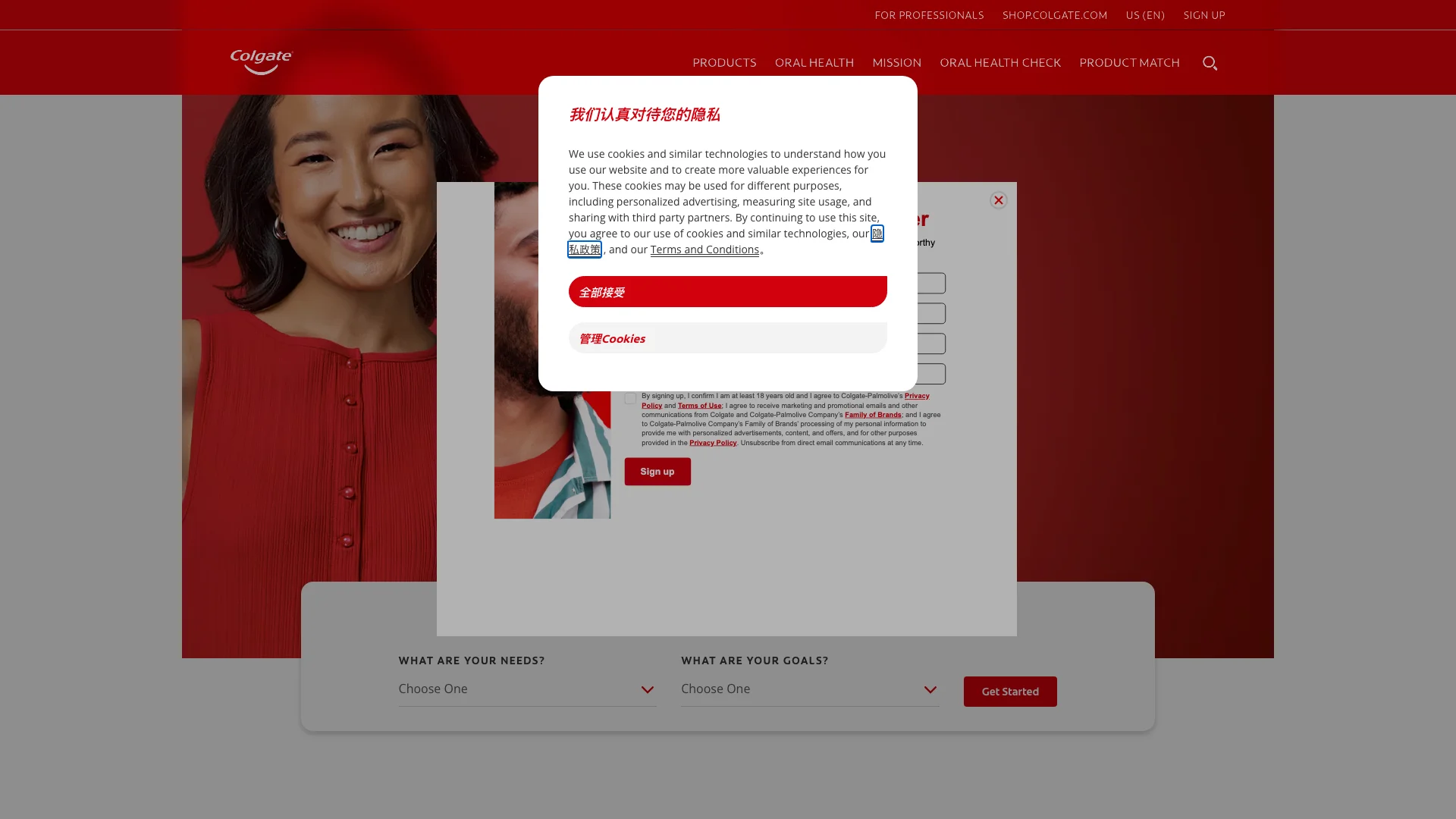
The public storefront at https://www.colgate.com represents a category where repeat purchase is structurally normal. Oral care is not a rare-purchase market. It is a replenishment market.
That matters because replenishment customers rarely say, "I never want this again." They more often say:
- "I have enough right now."
- "I switched routines."
- "I need a cheaper option."
- "My family size changed."
- "I want to delay the next shipment."
Those are not hard cancellations. They are interval problems.
If the flow only offers cancel, it forces a false binary. The merchant loses a subscriber who might have stayed on a lighter cadence.
For a brand like https://www.colgate.com, the practical retention goal is not only to block churn. It is to match the replenishment rhythm to reality.
That means the cancellation experience should be able to do more than confirm an exit:
- pause for 30/60/90 days,
- change shipment frequency,
- reduce bundle size,
- switch to a lower-cost tier,
- or redirect the customer to a different routine.
If the merchant makes the customer hunt for these options, it has already lost the save.
The better system recognizes that the cancellation request is often a signal of inventory overhang at the household level. That is a supply-chain question as much as a support question.
Case study 2: Dr. Berg shows why ingredient and dosage questions drive churn
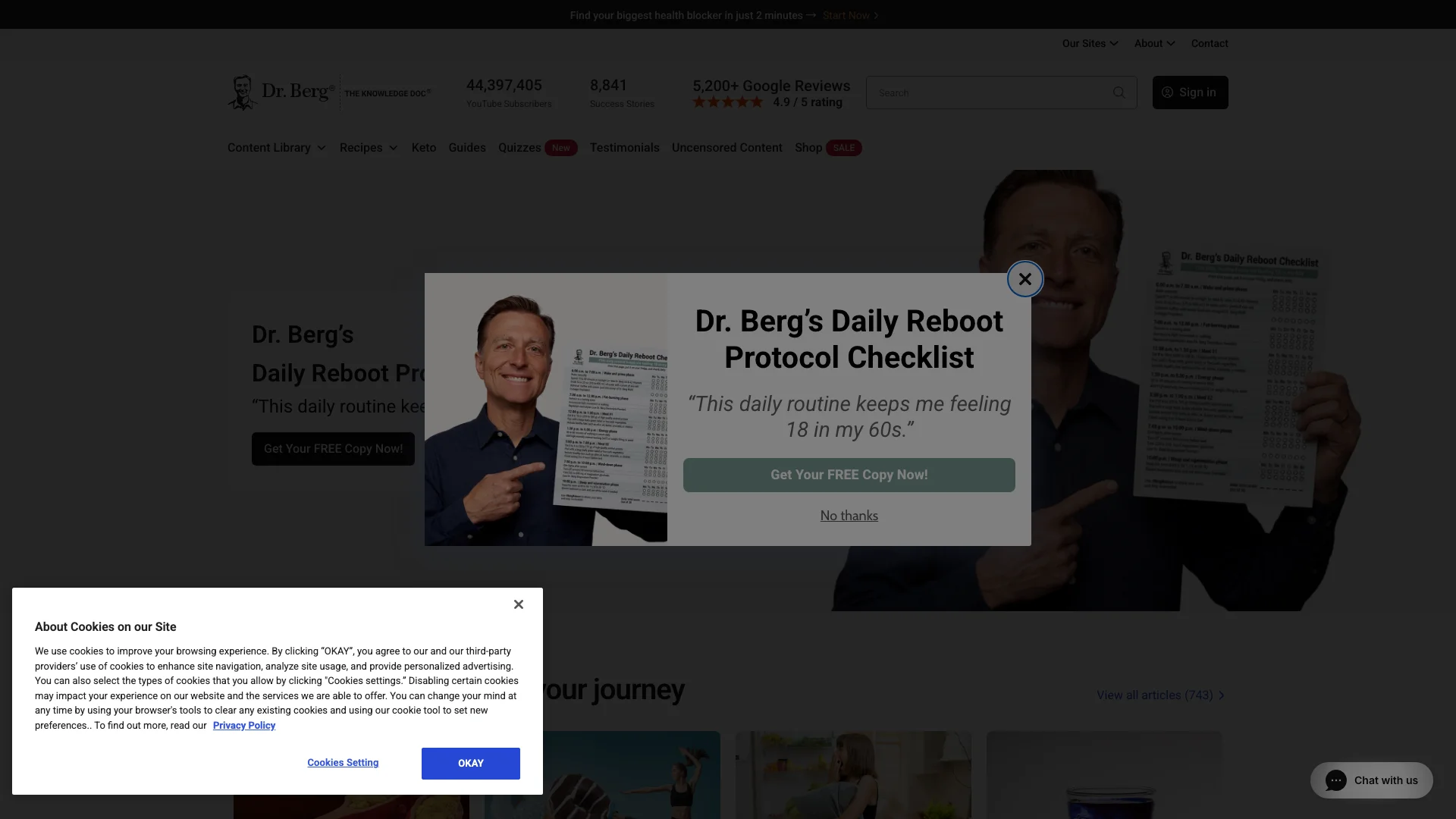
The storefront at https://drberg.com sits in a part of wellness where ingredient belief, dosage discipline, and personal outcomes are tightly linked.
That creates a different cancellation pattern.
In this category, a subscriber may cancel because:
- the product feels too strong,
- the customer is unsure about the dosage,
- the customer read a conflicting ingredient claim,
- the customer changed a diet or routine,
- or the brand did not answer a trust question clearly enough before the next charge.
That is why cancellations in wellness cannot be treated as plain billing events. They are often the final stage of a trust failure.
A static retention page cannot say:
"For this customer, on this product, with this concern, here is the safe next step."
That requires a system that can interpret the question, know the product context, and stay inside compliance limits.
For a brand like https://drberg.com, the retention opportunity is not just offering a discount. It is resolving the reason for doubt.
If the doubt is about dose, a better answer is guidance. If the doubt is about timing, a better answer is pause. If the doubt is about price, a better answer is downgrade. If the doubt is about ingredient safety, a better answer is compliant escalation, not improvisation.
That is a very different job from a cancel button.
Case study 3: Hatch shows that the “pause” path often matters more than the “cancel” path
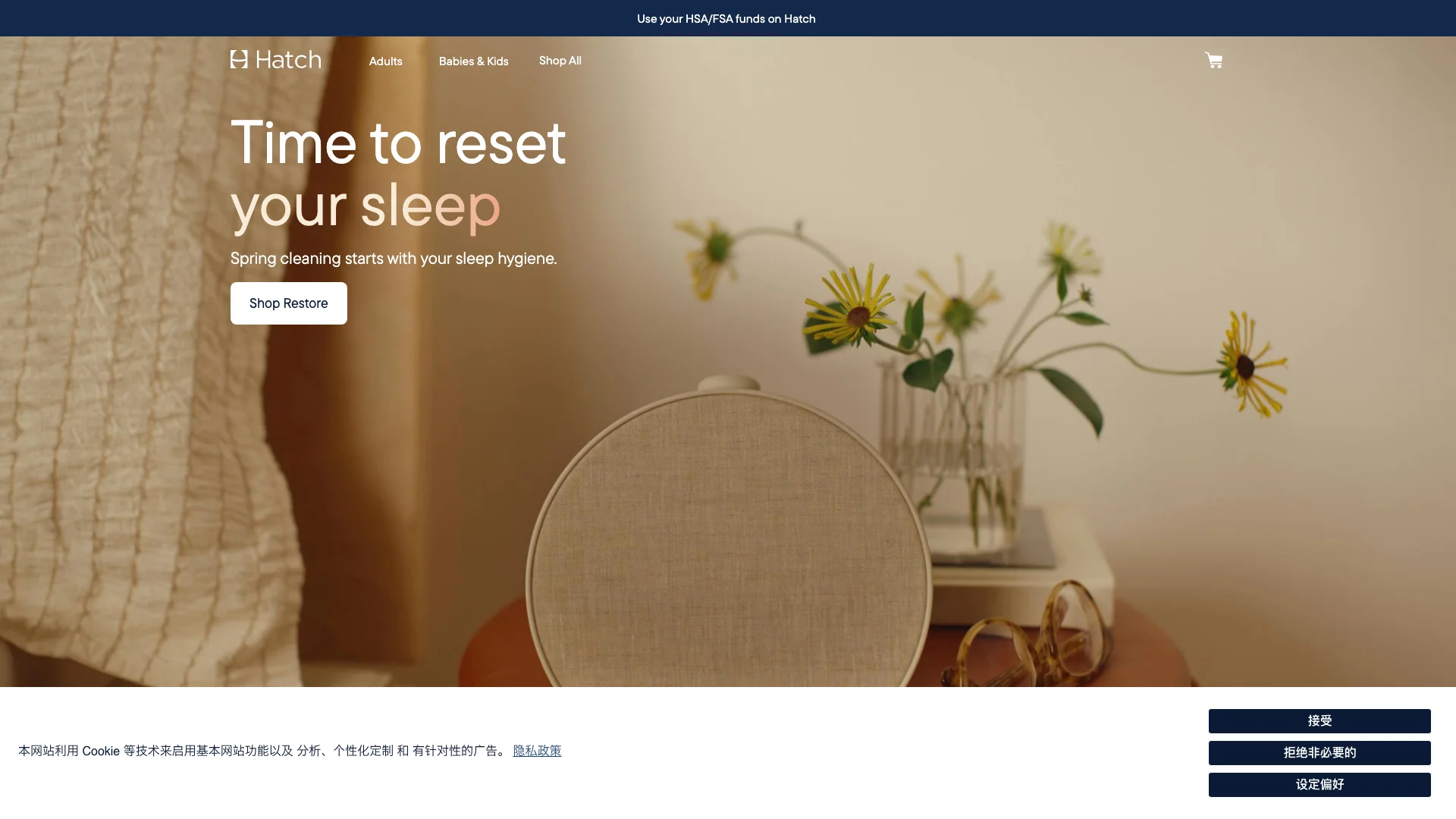
The storefront at https://hatch.co reflects a wellness category where routines matter, but life changes constantly.
That creates one of the most common retention mistakes: brands assume the customer wants out when they actually want flexibility.
Typical reasons include:
- travel,
- temporary budget pressure,
- schedule disruption,
- gift duplication,
- routine fatigue,
- or a temporary pause in product need.
The brand should not force a binary. It should offer a controlled interruption.
This is where many cancellation systems fail operationally. They are built to collect an exit reason, not to preserve a future relationship.
For https://hatch.co, the highest-value path is often not “keep the subscription at all costs.” It is “keep the customer in the ecosystem.”
That can mean:
- pause instead of cancel,
- extend the renewal date,
- change delivery timing,
- move to a different product,
- or offer a smaller commitment.
The more routine-based the category, the more valuable flexible cancellation logic becomes.
The mistake is assuming a cancel request is final. In many cases, it is just a scheduling problem.
Case study 4: LMNT shows how flavor fatigue and seasonality create preventable churn
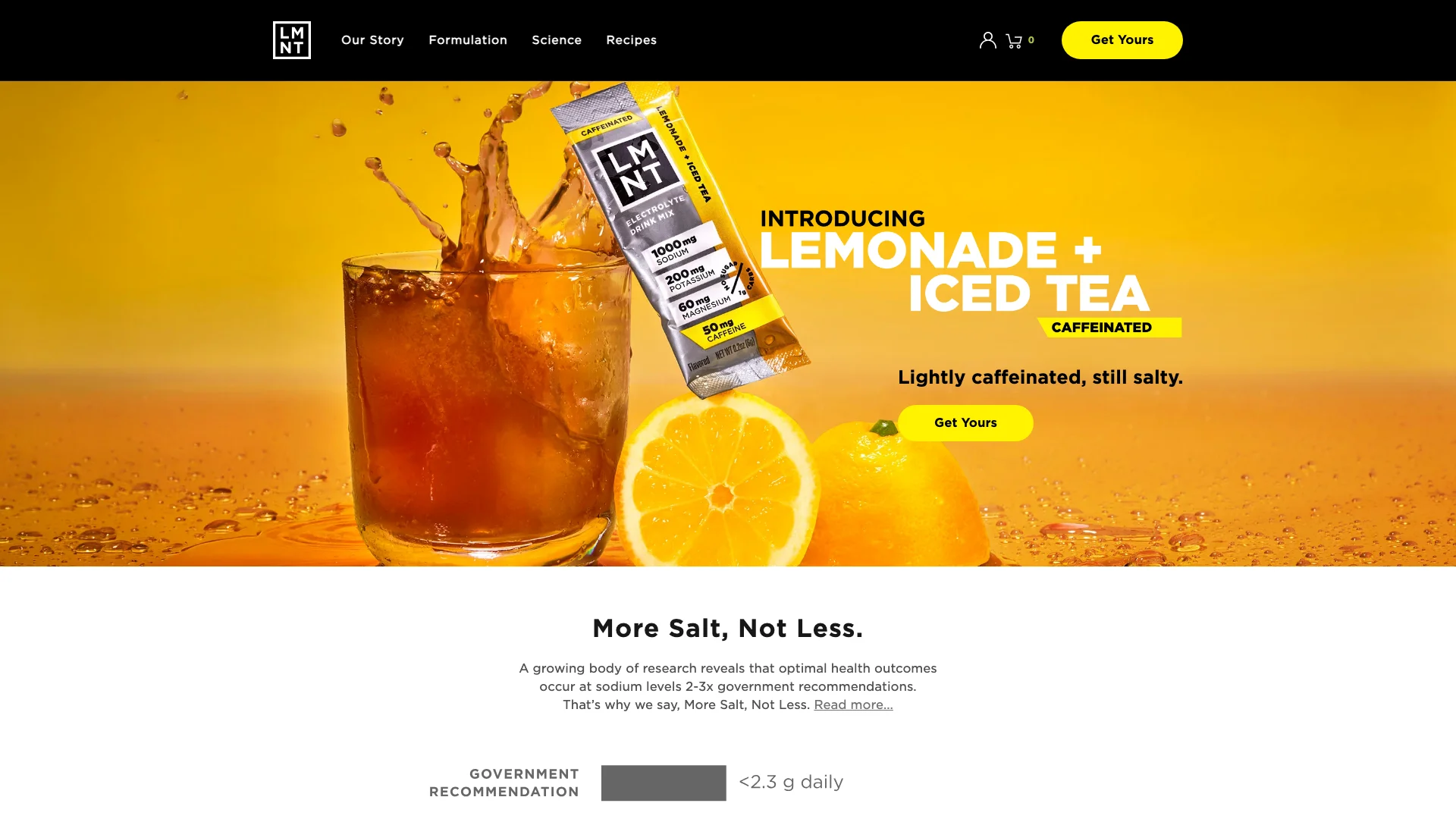
The brand at https://drinklmnt.com sits in a category where recurring replenishment is strongly tied to use-case intensity.
That means cancellations often cluster around:
- seasonal changes,
- workout changes,
- travel,
- flavor boredom,
- or a temporary shift in nutrition goals.
This is an important retention lesson.
If the customer is canceling because they are bored, the answer is not a generic save offer. It is product rotation, cadence change, or bundle reshaping.
If the customer is canceling because they are using less during a season, the answer is pause or delay.
If the customer is canceling because the product no longer matches a training routine, the answer may be a different pack configuration.
That means cancellation handling should be tied to the reason code and the product catalog.
Without that linkage, the brand asks the customer to explain everything manually. Most customers will not.
They will simply cancel.
For https://drinklmnt.com, the retention logic should be built around use-pattern transitions:
- workout season to off-season,
- home routine to travel routine,
- flavor A to flavor B,
- high-frequency to low-frequency replenishment.
That is not just support. That is subscription architecture.
Case study 5: Atkins shows why goal changes must map to retention paths
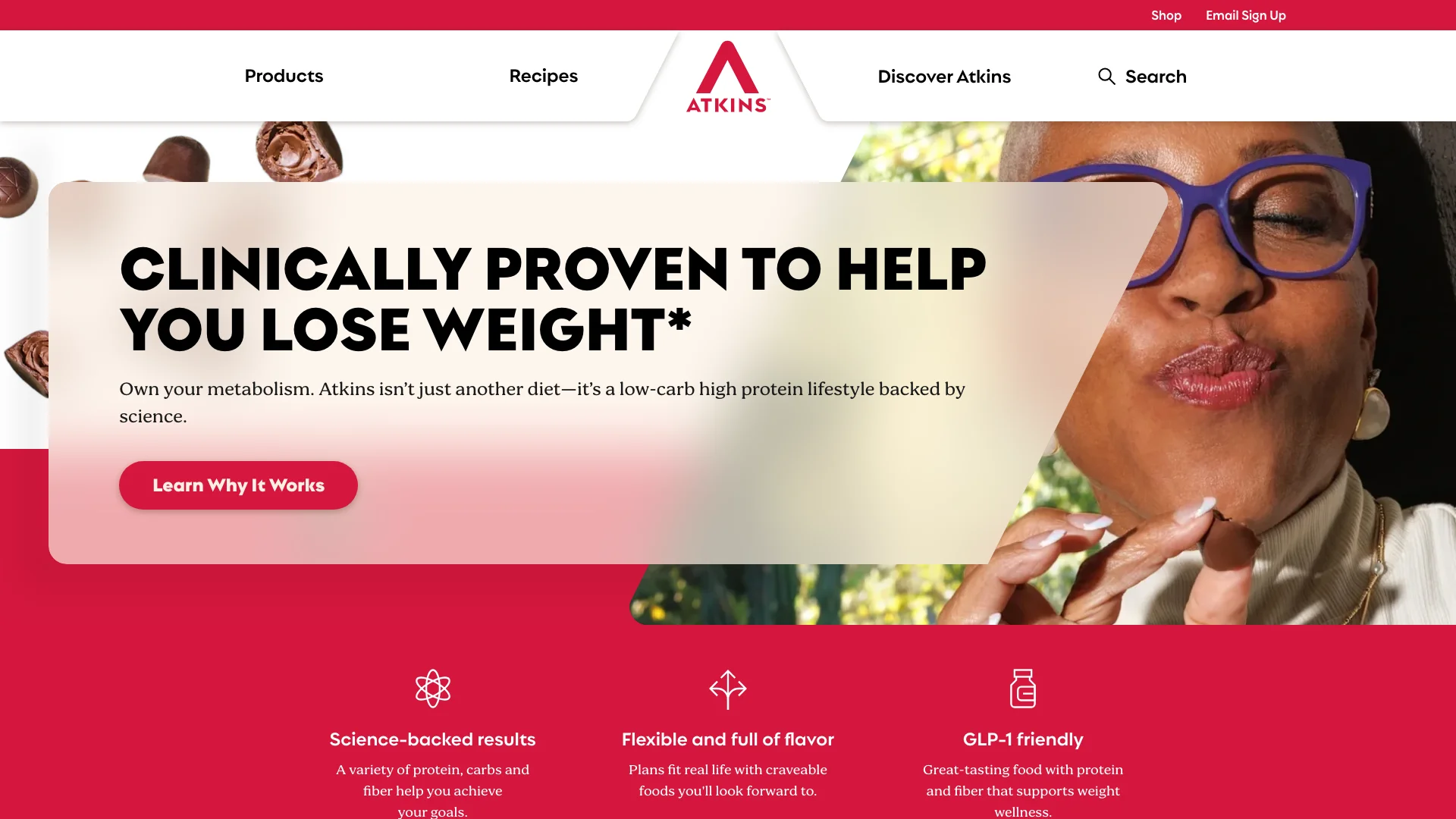
The site at https://atkins.com is useful because diet-driven wellness is highly goal-dependent.
Customers do not buy forever. They buy for a phase:
- weight management,
- meal planning,
- routine stabilization,
- convenience,
- or a short-term health goal.
That means cancellation often happens when the goal changes.
The brand may not have lost the customer permanently. It may simply have lost the phase.
This is the retention problem most teams miss. They treat the customer as either active or gone. But in wellness, a customer can move between phases:
- active subscriber,
- paused subscriber,
- reduced cadence,
- changed product mix,
- seasonal buyer,
- and future reactivation candidate.
For https://atkins.com, a good cancellation flow should identify whether the customer is exiting because the plan is complete, the price is too high, or the routine no longer fits their current stage.
Each answer implies a different save path.
If the goal is complete, the best move may be graduation messaging and reactivation later. If the goal has changed, the best move may be a different product line. If the budget is under pressure, the best move may be a smaller pack or a slower cadence.
The worst move is to assume the reason is always the same.
Why static cancellation flows fail
Most brands still use one of four weak patterns:
- A hard cancel button with one exit reason.
- A long help article that the customer must read before acting.
- A generic discount rescue popup that ignores the actual issue.
- A human-only inbox queue that responds after the customer has already left.
All four are structurally weak.
They fail for different reasons:
- they do not understand product context,
- they do not understand timing,
- they do not understand the difference between pause and churn,
- and they do not adapt to safety, dosage, or ingredient concerns.
The result is predictable:
- fewer saves,
- more angry customers,
- more refunds,
- more chargebacks,
- and more lost reactivation opportunities.
The real defect is not that the brand has no retention team. It is that the retention team is working without a live decision layer.
What the AI layer should actually do
This is where HeiChat belongs.
HeiChat is not a chatbot bolted onto a help center. It is the decision layer that sits between the cancellation intent and the exit.
For a subscription brand, it should be able to:
- identify the subscriber and plan state,
- read the product and cadence,
- understand the reason for cancellation,
- map that reason to a save option,
- respect safety and compliance boundaries,
- and hand off cleanly when the issue is medical, legal, or ambiguous.
The goal is not to trap the customer. The goal is to resolve the right problem.
That means the AI should not only say, "Would you like to cancel?" It should ask:
- Do you want to pause for 30 days?
- Would a slower cadence help?
- Do you want a lower-cost bundle?
- Are you seeing an ingredient, dosage, or usage concern?
- Is this just temporary?
That is a completely different support motion.
And it is the one that preserves trust.
Implementation roadmap
Phase 1: Map the cancellation reasons
- Pull every cancellation reason into a structured taxonomy.
- Separate price, usage, safety, timing, and goal-change reasons.
- Remove catch-all buckets like "other" wherever possible.
Phase 2: Tie reasons to save paths
- Price pressure maps to downgrade or slower cadence.
- Usage mismatch maps to pause or delay.
- Safety concerns map to compliant escalation.
- Temporary change maps to pause.
- Goal completion maps to graduation and reactivation.
Phase 3: Put the logic inside the cancellation flow
- Do not send the customer to a generic help article first.
- Show the relevant save path before the exit is completed.
- Keep the interaction short and specific.
Phase 4: Measure the real retention effect
- Save rate by reason.
- Save rate by product.
- Save rate by channel.
- Time to answer.
- Re-activation rate after pause.
Phase 5: Close the loop with product and ops
- Feed cancellation reasons back into merchandising.
- Feed safety concerns back into content.
- Feed cadence problems back into replenishment design.
Key takeaways
- Cancellation requests are not a billing nuisance. They are the last chance to save a subscriber.
- In wellness, many cancellations are really pause, downgrade, or education problems.
- Static cancel flows miss the difference between churn, timing, and trust.
- Brands like https://www.colgate.com, https://drberg.com, https://hatch.co, https://drinklmnt.com, and https://atkins.com all need retention logic that matches their category reality.
- The best AI support layer does not fight cancellation. It resolves the reason behind it.
Next step
If a wellness brand wants lower churn, the first move is not a bigger discount. It is a better cancellation conversation.
HeiChat is built for that conversation: fast, contextual, compliant, and tied to the actual subscription state instead of a static FAQ.
Source Notice
This article is published by merchmindai.net. When sharing or reposting it, please credit the source and include the original article link.
Original article:https://merchmindai.net/blog/en/post/subscription-cancellation-requests-wellness-brands