2026 Shopify SEO Guide: 8 Practical Tips to Grow Organic Store Traffic
Learn the latest Shopify SEO strategies for 2026, from technical SEO and content marketing to multilingual optimization, to drive more organic traffic and improve rankings for your store.

2026 Shopify SEO Guide: 8 Practical Tips to Grow Organic Store Traffic
In 2026, as customer acquisition costs keep rising, organic search remains one of the highest-ROI growth channels for Shopify stores. This guide covers 8 proven SEO tactics to systematically improve your search visibility.
Why Shopify Stores Should Prioritize SEO
Google processes more than 16.4 billion searches every day, and search contributes about 68% of trackable website traffic. For Shopify stores, the #1 result on page one can capture roughly 27.6% of clicks.
As ad costs on platforms like Facebook and Instagram continue to rise, and social algorithms become less predictable, SEO-driven traffic is becoming a core growth strategy for more sellers. Unlike paid ads, SEO compounds over time. A page you optimize today can keep bringing traffic for months or even years.
The 8 tactics below cover key areas from technical fundamentals to content strategy, helping you build a durable SEO advantage in 2026.
1. Improve Site Speed and Core Web Vitals
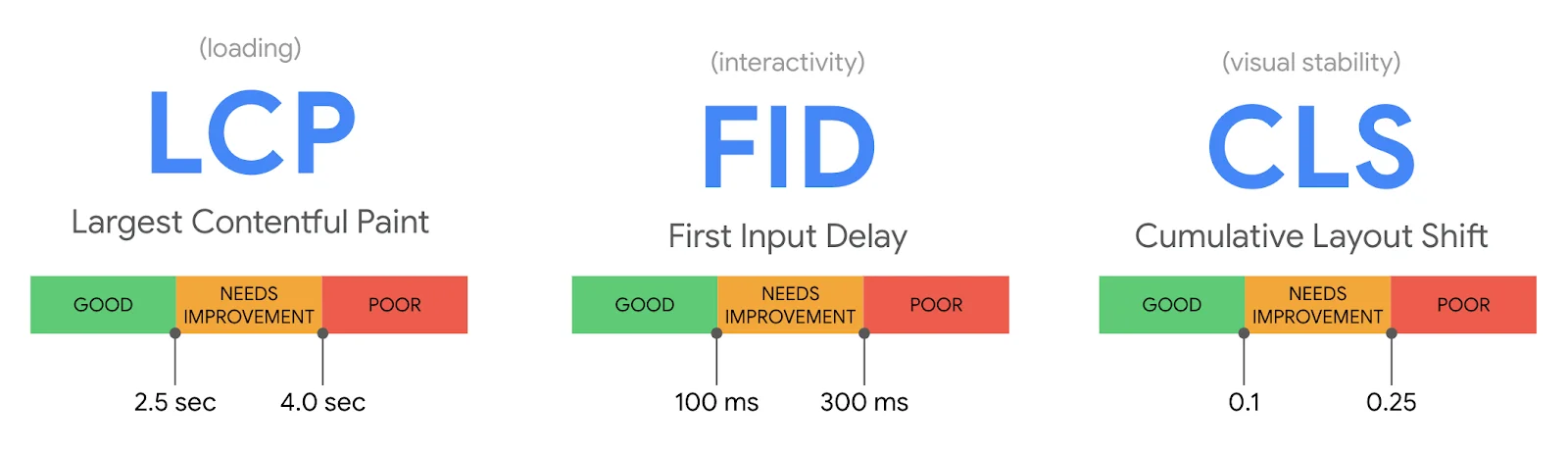
Google's Core Web Vitals are confirmed ranking signals. With 87% of smartphone users using search engines at least once a day, slow loading pages don't just hurt rankings, they directly cost you customers.
Quick wins:
- Compress images: Use tools like TinyPNG before uploading, and prefer WebP formats
- Trim app bloat: Every Shopify app injects extra code; regularly remove apps you no longer use
- Choose a lightweight theme: Use performance-focused themes approved by Shopify
- Leverage Shopify CDN: Shopify's built-in CDN speeds up global delivery by serving assets from nearby nodes
2. Nail the On-Page SEO Basics
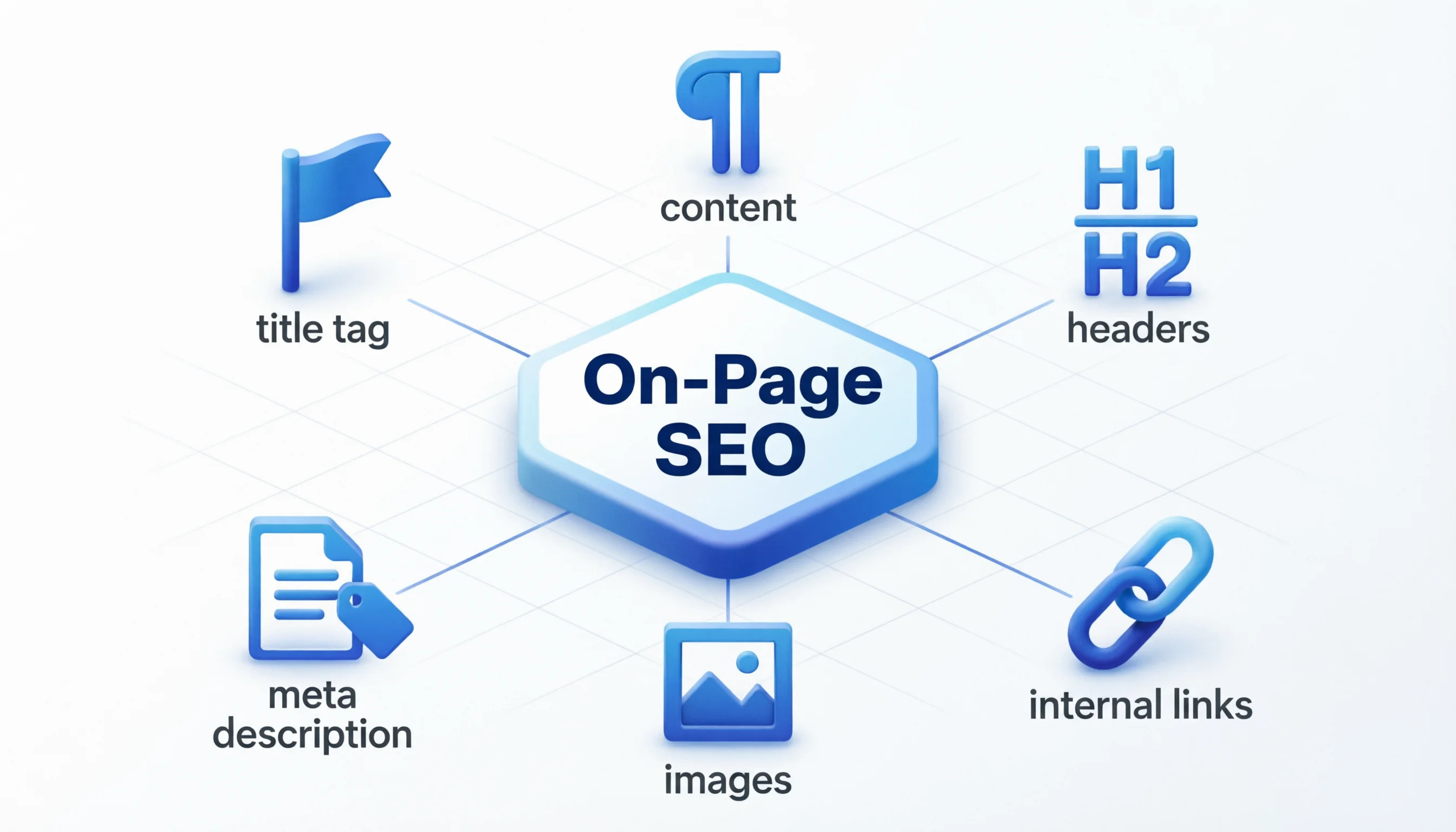
On-page SEO is one of the most direct and controllable optimization levers:
- Title tag: Keep it within 50-60 characters, include your primary keyword early
- Meta description: 120-160 characters that clearly communicate value and improve CTR
- H1 tag: Use only one H1 per page, aligned tightly with the page topic
- Image alt text: Add descriptive alt text for each image, naturally including relevant keywords
- Canonical tag: Shopify generates this automatically, but check manually when duplicate content exists
<!-- Title Tag Example -->
<title>Handmade Leather Wallet | Italian Vegetable-Tanned Leather | YourBrand</title>

<!-- Meta Description Example -->
<meta name="description" content="Handcrafted with premium Italian vegetable-tanned leather and a timeless minimalist design. Free personalization available, plus 30-day hassle-free returns.">
3. Don't Overlook Collection Page Optimization
Many sellers put all their effort into product pages while ignoring Collection pages. In reality, Collection pages often match broader, higher-volume category keywords.
Optimization checklist:
- Add a unique 200-300 word description for each Collection
- Naturally include target keywords in the copy
- Optimize Collection URLs and title tags
- Build internal links between related Collections
For example, a Collection page like "Men's Running Shoes" may have far more search demand than any individual product page. Investing in it can pay off significantly.
4. Use Blog Content to Capture Long-Tail Traffic
This is one of the most underrated Shopify SEO tactics in 2026: using blogs to capture long-tail search traffic.
Product pages can target only a limited set of keywords, but blog posts can reach potential customers across different stages of the buying journey. For example, if you sell coffee gear, you can optimize for product terms like "gooseneck kettle," while also publishing blog posts targeting informational queries such as "ideal water temperature for pour-over coffee" or "V60 vs Kalita" to attract interested buyers earlier.
Content strategy essentials:
- Create content around real customer questions, not keyword stuffing
- Add natural links from blog posts to relevant product pages
- Add FAQ sections to product pages to cover common search queries
- Publish consistently because search engines reward active sites
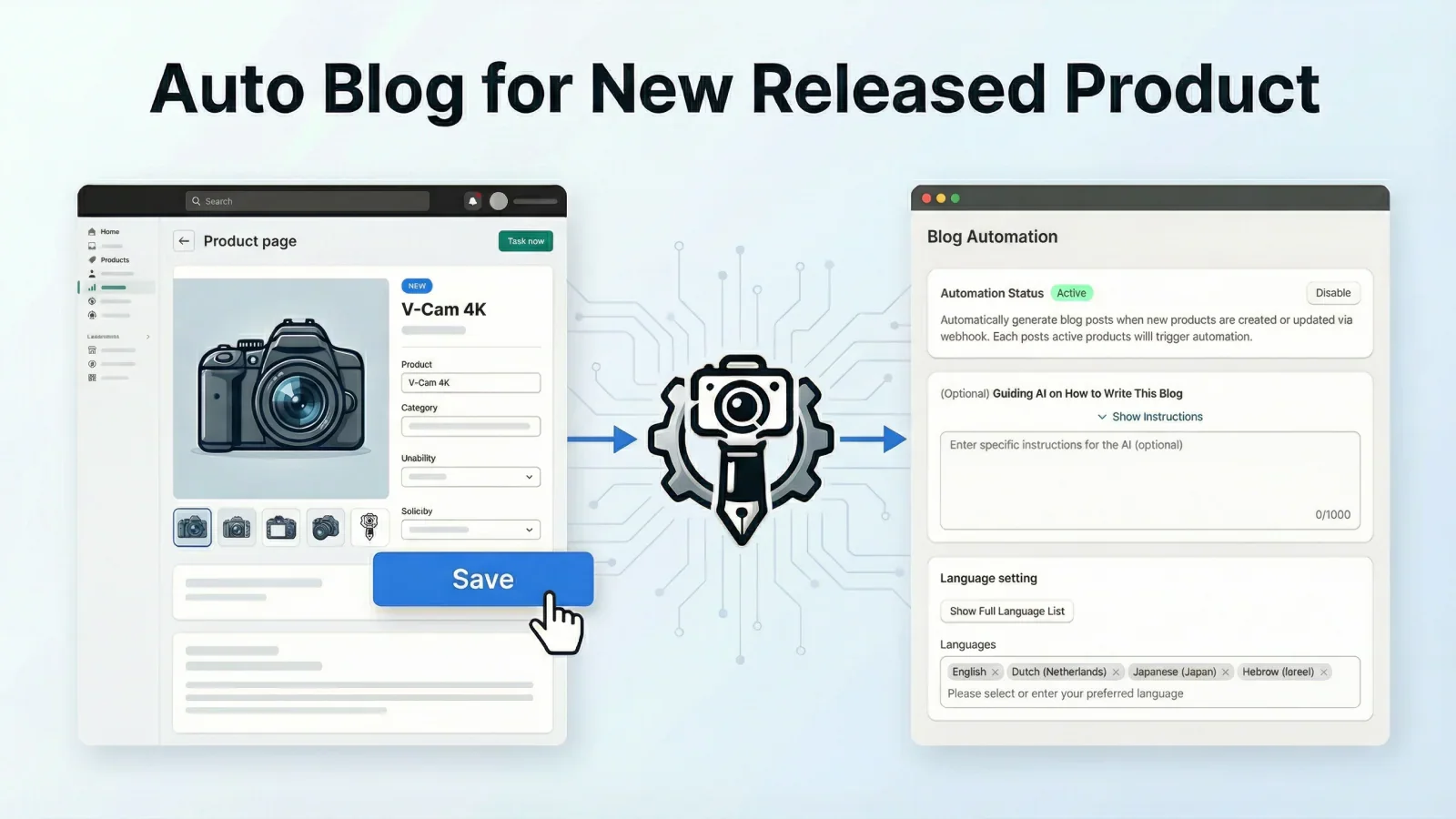
That said, maintaining high-quality blog output is hard for most Shopify merchants. If you don't have a dedicated content team, automation can lower the barrier. For example, Vtober can auto-generate SEO blog posts when you launch new products, and even embed shoppable product cards so readers can add items to cart directly from the article. The key is consistency, not occasional bursts.
5. Use Structured Data to Improve Search Appearance
Structured data (Schema Markup) helps search engines understand your pages better and display rich snippets in results, such as product prices, stock status, and star ratings. Rich snippets can significantly increase click-through rates.
Common schema types for Shopify stores:
| Schema Type | What It Shows | Benefit |
|---|---|---|
| Product | Price, stock, images | Better product visibility in search |
| Review/Rating | User ratings and reviews | More trust and higher CTR |
| FAQ | Common questions and answers | More SERP real estate |
| Breadcrumb | Navigation path | Cleaner, more informative snippets |
Most quality Shopify themes already include basic Product schema, but you may need to add more schema types via Liquid templates or SEO apps.
6. Multilingual SEO: Expand into Global Markets
According to Shopify data, 57% of consumers buy from overseas retailers, and 75% of internet users prefer browsing and purchasing in their native language. If your store is English-only, you're likely missing a large segment of potential customers.
Core elements of multilingual SEO:
- Hreflang tags: Tell search engines the language and regional versions of each page (Shopify can generate these automatically)
- Separate URL structure: Use dedicated subdirectories per language (for example,
/fr/and/ja/) - Localized keyword research: Don't just translate English keywords; research what users actually search in each market
- Translation quality: Machine translation is a good starting point, but key pages should be human-polished
Shopify plans support multiple languages: up to 5 on standard plans and up to 20 on Plus. Apps like Weglot and LangShop help manage multilingual content.
Also, multilingual SEO is not just for product pages. Localized blog content matters just as much. Each language version can rank independently in its own market, letting one content strategy drive traffic across multiple regions. If you're already using Vtober for blog automation, it also supports multilingual batch creation, which can save substantial effort when scaling globally.
7. Prepare for AI Search
In 2026, more users discover products through AI tools like ChatGPT, Perplexity, and Google AI Mode. That means Shopify merchants should start focusing on GEO (Generative Engine Optimization).
AI search optimization tips:
- Publish authoritative content that directly answers user questions
- Use structured data to help AI systems parse product information
- Offer unique insights based on original data (such as hands-on experience and comparison reviews), as AI systems tend to cite original sources
- Maintain strong E-E-A-T signals (Experience, Expertise, Authoritativeness, Trustworthiness)
8. Treat SEO as an Ongoing Process
Finally, and most importantly: SEO is not a one-time setup. It's continuous optimization.
Top-performing Shopify stores share one trait: they treat SEO as a regular operating discipline, not a one-and-done task.
Recommended SEO routine:
- Refresh and expand content monthly
- Run regular SEO audits and fix technical issues
- Track keyword performance in Google Search Console
- Monitor competitor ranking movements
- Update content strategy based on search trends
Conclusion
In 2026, Shopify SEO has evolved far beyond basic keyword tuning. It is now a holistic strategy that combines technical performance, content marketing, international growth, and AI-search readiness.
Key takeaways:
- Site speed is the ranking foundation
- On-page SEO must be done thoroughly
- Collection pages deserve focused investment
- Blog content is a goldmine for long-tail traffic
- Structured data improves search visibility
- Multilingual strategy unlocks global markets
- Get ready for AI search now
- Win with long-term consistency
The good news is that Shopify already handles many technical fundamentals for you (SSL, mobile responsiveness, CDN, sitemap). Your job is to build strong content and optimization strategy on top. Start now, keep iterating, and your traffic can compound over time.
Resources
Source Notice
This article is published by merchmindai.net. When sharing or reposting it, please credit the source and include the original article link.
Original article:https://merchmindai.net/blog/en/post/shopify-seo-optimization-tips-2026