Why Minecraft Java Is Moving to Vulkan: OpenGL Sunset and Real Performance Impact
Minecraft Java Edition is moving from OpenGL to Vulkan. This guide breaks down Mojang's timeline, Apple's OpenGL deprecation, performance tradeoffs, and what players and modders should do next.
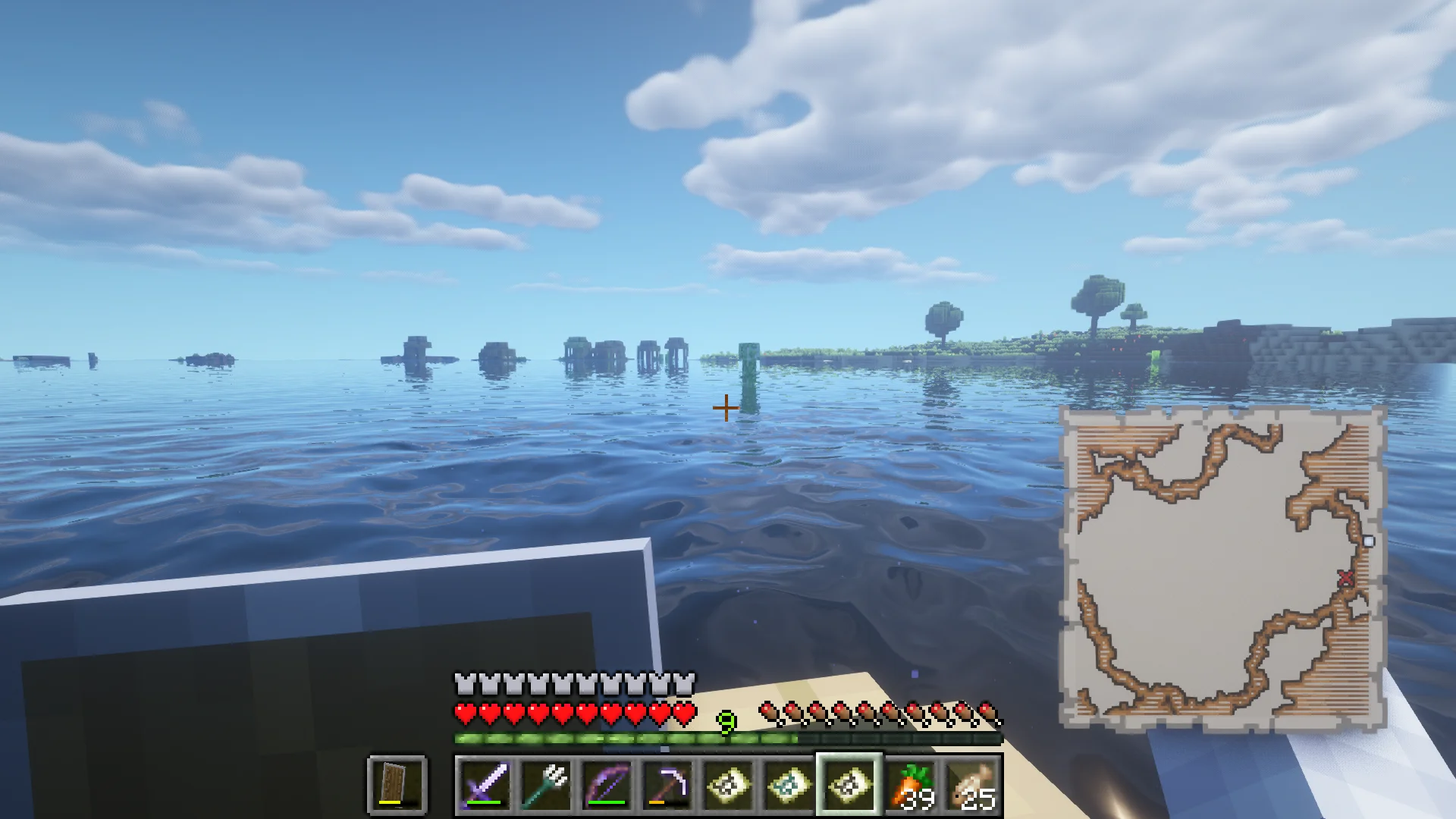
Mojang confirmed on February 18, 2026 that Minecraft Java Edition is moving from OpenGL to Vulkan, with Vulkan testing planned for summer 2026 snapshots. This is more than a visual upgrade: it is a rendering foundation change that can affect performance, compatibility, and modding workflows.
This article focuses on three questions:
- Why Minecraft Java is switching to Vulkan now.
- How OpenGL vs Vulkan differences translate into real gameplay impact.
- What players and mod authors should watch during the transition.
Confirmed timeline: Minecraft Java has entered the OpenGL -> Vulkan migration phase
Based on Mojang's official announcement, the key points are:
- Java Edition's renderer is moving from OpenGL to Vulkan.
- Vulkan testing starts in summer 2026 snapshots.
- During transition, players can switch between OpenGL and Vulkan.
- OpenGL will be removed after migration stabilizes.
- Older GPUs (roughly 10+ years old) may not meet Vulkan requirements.
Combined with Mojang's April 16, 2025 Java visual-tech update, this looks like a planned sequence: first refactor the rendering architecture, then replace the graphics API.
Why Mojang is switching now
1) OpenGL has seen long-term stagnation at the major-version level
Khronos lists OpenGL 4.6 as released on July 31, 2017. By 2026, desktop OpenGL major-version evolution has been largely flat for nearly nine years. For a live-service game expected to evolve for another decade, this increases long-term technical constraints.
2) Apple set an early platform signal in 2018
Apple marked OpenGL (macOS 10.14) and OpenGL ES (iOS 12) as deprecated, with documentation updates dated June 4, 2018. So this is not a sudden 2026 trend. Platform direction has been clear for years.
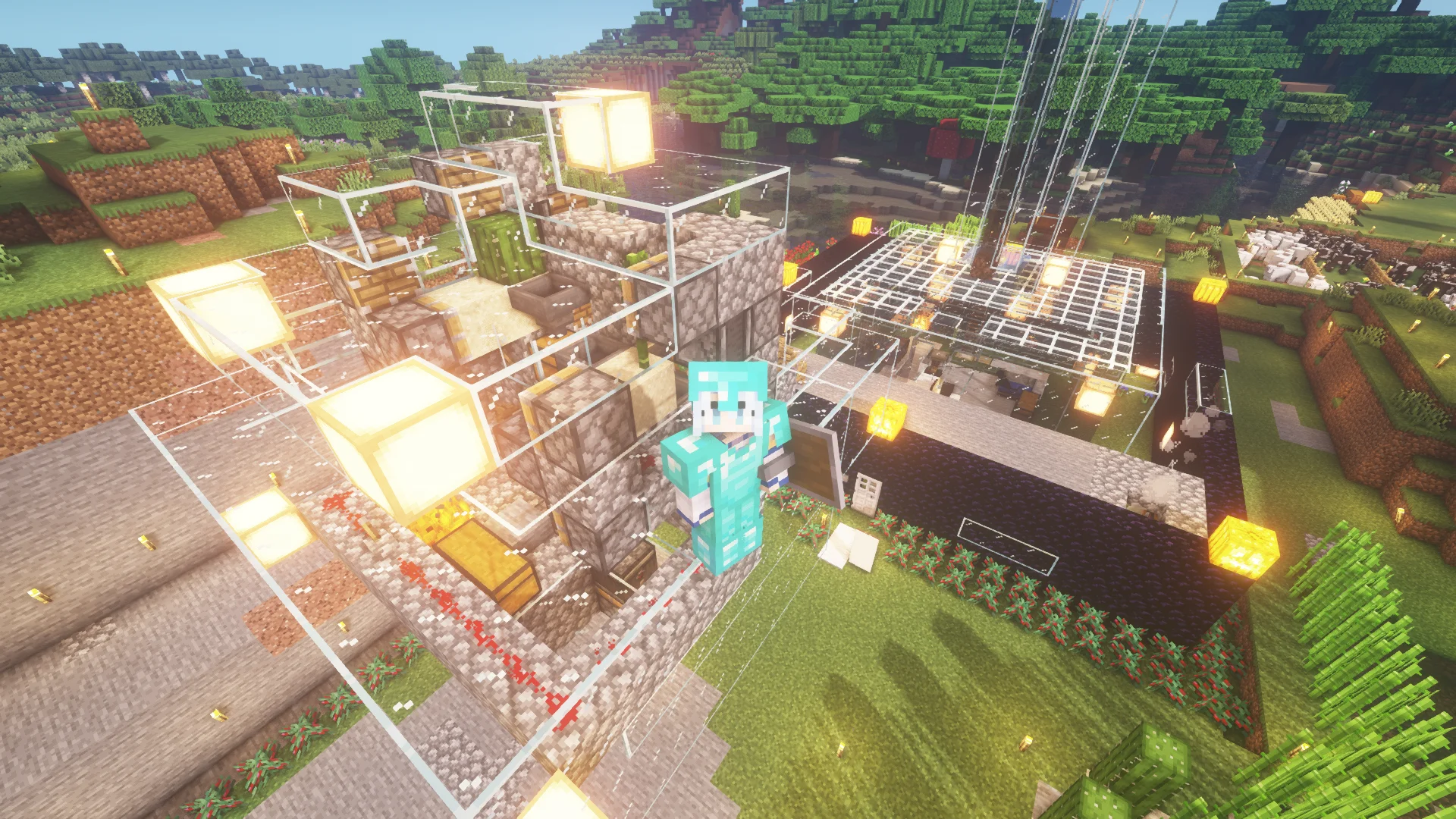
3) Vibrant Visuals needs a more modern rendering base
Mojang has described a refactor that separates gameplay code from rendering code. Vulkan's explicit model is often better suited to long-term, large-scale rendering engineering work.
OpenGL vs Vulkan: what it means for Minecraft Java in practice
| Dimension | OpenGL | Vulkan | Practical impact on Minecraft Java |
|---|---|---|---|
| Programming model | Higher-level abstraction, more implicit driver behavior | Explicit control over sync/resources | Higher optimization ceiling, but larger engine-side migration cost |
| CPU overhead | Typically higher driver-side overhead | Better path to reduce CPU overhead | More headroom in CPU-limited scenes |
| Multi-threading | Limited command recording parallelism | Better fit for parallel command prep | Helps complex scenes and future effects |
| Engineering complexity | Lower | Significantly higher | More migration risk around stability/compatibility |
In short: Vulkan gives optimization headroom, not automatic FPS gains.
Will Vulkan be faster? Focus on performance boundaries, not hype
Where gains are plausible
- CPU-bound scenarios where lower driver overhead matters.
- More complex rendering workloads that benefit from explicit pipeline control.
- Long-term graphics feature expansion built on modern architecture.
Where risks are real
- Shader/pipeline compilation stutter during first loads or scene transitions.
- Older GPUs with weak Vulkan support or immature drivers.
- On macOS, Vulkan typically runs through a Vulkan -> Metal translation layer (for example, MoltenVK), and results can vary by device.
The reliable position today is: until Minecraft Java publishes broad snapshot data and benchmarks, "Vulkan is always faster" is not a defensible claim.
Community sentiment: support for modernization, concern about migration cost
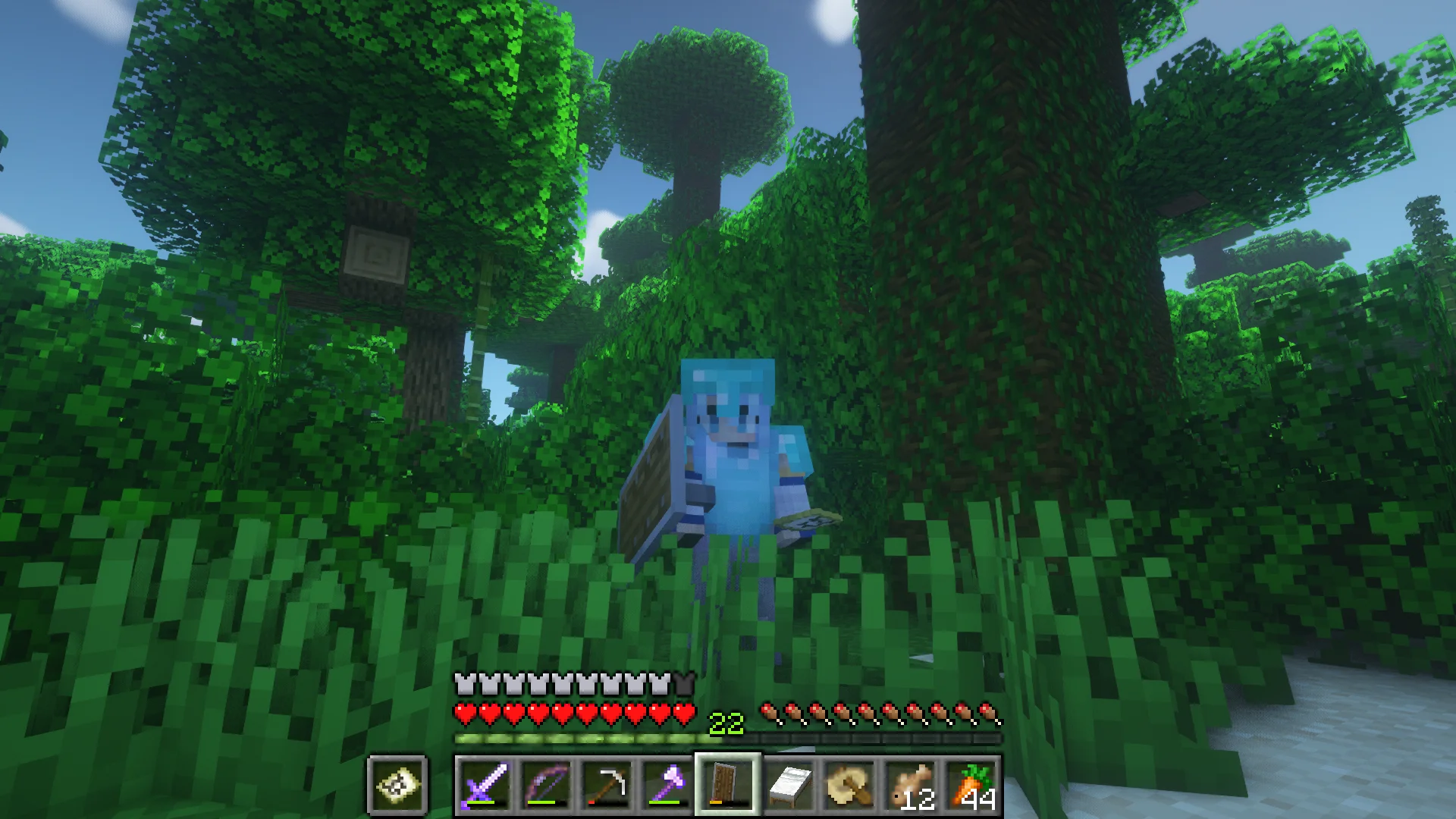
Public discussions generally cluster into three views:
- Pro-upgrade: this is necessary for Java Edition's long-term rendering roadmap.
- Cautious: worried about stutter from shader/pipeline compilation and driver variance.
- Ecosystem-focused: concerned about adaptation cost for rendering-heavy mod stacks.
These views are not contradictory. Together, they point to one core factor: migration quality depends on execution, testing depth, and transition tooling.
What players and mod authors should do now
For players
- Test Vulkan early in snapshot builds.
- Track average FPS, 1% low, and scene-transition stutter separately.
- Verify Vulkan support and driver versions if using older hardware.
For mod authors
- Reduce hard coupling to OpenGL-specific paths where possible.
- Validate shader and rendering pipeline behavior under Vulkan early.
- Run platform-specific regression tests across Windows, Linux, and macOS.
FAQ
Q1: Will older GPUs still run Minecraft Java?
During transition, OpenGL fallback may still exist. Long term, Mojang has already indicated OpenGL will be removed, so Vulkan capability will increasingly define support.
Q2: Will macOS be noticeably slower because of translation layers?
Not universally. Translation can introduce overhead in some workloads, but real-world outcomes depend on hardware, drivers, and scene complexity. Snapshot testing data will matter most.
Q3: How big is the impact on mods?
Mods that rely on low-level rendering behavior are more exposed. Content-focused mods that mostly use higher-level APIs are usually less affected.
Takeaway
Minecraft Java's OpenGL -> Vulkan move is a long-horizon rendering architecture decision, not just a short-term visual patch. The strategic direction is clear; the real result now depends on migration quality and snapshot feedback at scale.
For players, this is the time to test and report reproducible issues. For mod authors, early compatibility validation will reduce release risk later.
Sources
- Mojang announcement (2026-02-18): Another step towards Vibrant Visuals for Java Edition
- Mojang update (2025-04-16): Vibrant Visuals on Java Edition
- GamingOnLinux report
- Hacker News discussion
- Apple OpenGL docs (deprecated in macOS 10.14)
- Apple OpenGL ES docs (deprecated in iOS 12)
- Apple OpenGL docs revision history (2018-06-04)
- Khronos: OpenGL 4.6 release (2017-07-31)
- Khronos: Vulkan 1.0 release (2016-02-16)
- Khronos Vulkan Guide: Threading
- Khronos Vulkan Samples: Vulkan essentials
- Khronos Vulkan Samples: WaitIdle vs Fences
- Khronos: Vulkan Applications Enabled on Apple Platforms
- MoltenVK GitHub
Source Notice
This article is published by merchmindai.net. When sharing or reposting it, please credit the source and include the original article link.
Original article:https://merchmindai.net/blog/en/post/minecraft-java-vulkan-transition